


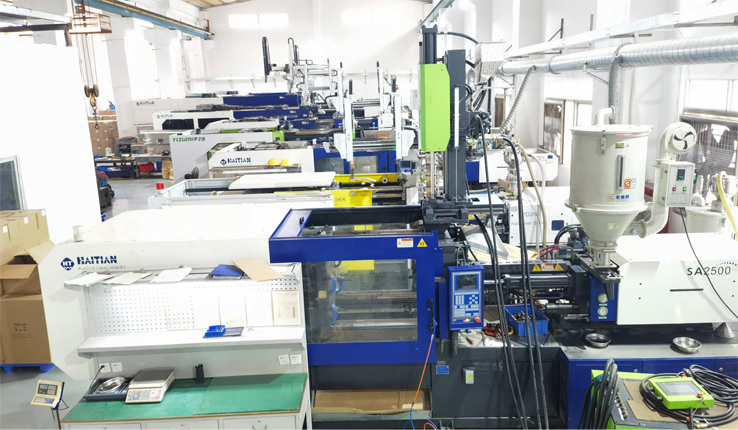
Honestly, I never thought much about plastic molds until a friend dragged me on a factory tour last year. I walked in expecting rows of cold machines and the usual hum of industrial activity—but what I saw was something closer to a well-choreographed dance. People, machines, and molten plastic moving in perfect rhythm, all to create everyday items I’d taken for granted. From my phone case to the reusable water bottle I carry everywhere, a plastic mold factory is quietly behind it all.
If you’ve ever wondered what really goes on in these factories, it’s not just about heating plastic and pressing it into shape. There’s a surprising mix of precision engineering, creative problem-solving, and even a bit of artistry.
Table of Contents
The Heart of Production: Mold Making
At the center of every plastic mold factory is the mold itself. These aren’t your run-of-the-mill cookie cutters; they’re highly specialized, often custom-made pieces that can cost thousands or even tens of thousands of dollars. What amazed me most was how much planning goes into a single mold. Engineers have to consider shrinkage, cooling times, and the exact flow of molten plastic. One small miscalculation and an entire batch could be wasted.
I learned that some factories even design molds in-house, using 3D modeling software that can predict exactly how the plastic will behave. It’s a bit like sculpting, but with math and physics thrown in. If you’re curious, you can see examples of innovative mold design at sites that showcase plastic mold factory processes—it’s fascinating stuff.
Materials Matter More Than You Think
When people talk about plastic, they usually just think “plastic is plastic.” But the reality inside a factory is far more nuanced. There are dozens of types of plastic—ABS, polyethylene, polypropylene, and more—each with its own melting point, durability, and finish. Choosing the right material is crucial because it affects not just the strength of the product but also how it interacts with the mold.
I remember one engineer explaining, “It’s like baking—you wouldn’t use bread flour for a cake, right?” And that stuck with me. Every product, from a simple lid to a complex automotive component, has a material story behind it.
The Workflow: A Blend of Human Skill and Technology
Walking through the factory floor, I noticed the machines first: injection molding presses, automated arms, and robotic conveyors. But then I saw the humans—checking molds, measuring temperatures, and making adjustments. It’s a delicate balance between technology and human oversight.
You might assume factories are fully automated these days, but that’s far from the truth. Skilled technicians still make the difference between a product that’s “good enough” and one that’s perfect. I was surprised to learn that even tiny imperfections—like a bubble in a plastic part—can render an entire batch useless. That’s why attention to detail is non-negotiable.
Sustainability Challenges and Innovations
Here’s where things get really interesting. Plastic has a bad reputation these days, but many modern plastic mold factories are taking sustainability seriously. Recycling scrap, using energy-efficient machines, and developing biodegradable or recycled plastics are becoming standard practice.
I spoke to a plant manager who said, “We used to think efficiency was just speed and output. Now it’s about waste reduction and longevity of molds.” Honestly, it was refreshing to see that even a sector often criticized for pollution is trying to innovate responsibly.
The Human Side of Manufacturing
What really stuck with me, though, was the pride the workers took in their craft. It wasn’t just about punching out products—it was about problem-solving, mastering techniques, and watching an idea take physical form. In many ways, a plastic mold factory reminded me of an artist’s studio. There’s a rhythm, a focus, and a quiet satisfaction in doing something well.
Even the smallest things—a perfectly fitted lid or a flawlessly molded toy—felt like little victories. Walking through that factory, I realized that manufacturing isn’t just about efficiency; it’s about care.
Why Understanding This Matters
You might think, “Why should I care about plastic mold factories?” But the truth is, understanding how these products are made gives you a deeper appreciation for the objects we often overlook. Every item—from a kitchen gadget to a medical device—has been carefully designed, molded, and inspected.
For businesses, knowing how a plastic mold factory operates can also help in selecting suppliers or planning product lines. And for consumers, it offers insight into how innovation, engineering, and sustainability intersect in everyday life.
A Reflection on Industrial Artistry
Walking away from that factory, I couldn’t help but think: we often undervalue the craftsmanship behind modern manufacturing. A plastic mold factory might not be glamorous, but it’s an ecosystem of creativity, precision, and dedication. Each piece of plastic, each finished product, carries a story of problem-solving, technical skill, and human effort.
So next time you hold a plastic product in your hand, take a moment to consider its journey. Chances are, it’s been through the hands of engineers, operators, and designers who treat their work as more than just a job—it’s a craft. And honestly, isn’t it kind of amazing that something so ordinary can have such a fascinating backstory?