
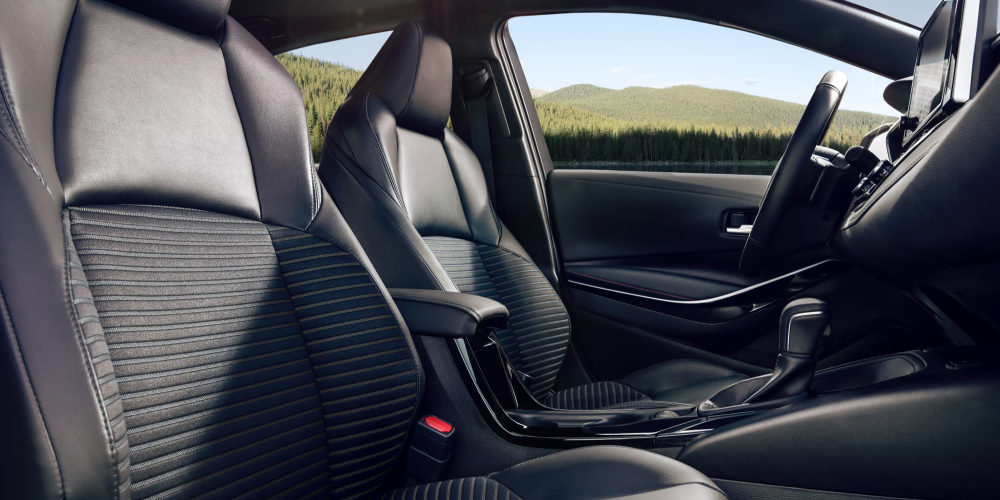
A fresh set of seat covers might be the smartest thing you add to your car. When traffic piles up each day or miles stretch on open highways, the inside of your vehicle takes constant hits – dust settles, drinks spill, sun bakes surfaces. Good protection shields fabric from damage while adding softness where you sit. Style gets a quiet upgrade too, like giving the cabin a new mood without changing anything major.
Buckle in, because this walkthrough spills the details on car seat covers – what they do, what they’re made of, the styles out there, plus picking one that fits how you roll. Whether it’s comfort, protection, or just a fresh look, we walk through each piece without skipping steps. Materials range from tough fabrics to soft touches, each with its own rhythm. Some slide right on, others snap tight. Your ride, your rules – but knowing the ins and outs helps avoid guesswork down the road.
Table of Contents
Car Seat Covers Matter
Every time you slide into the driver’s seat, fabric takes a hit. With months passing, strong materials still wear down – colors dim, surfaces split, marks set in deep. A layer over each seat keeps the inside safe, almost like armor against daily use. Instead of replacing cushions later, these covers hold off decay before it starts.
Car Seat Covers Help Keep Seats Clean
1. Protect Original Seats
Spills stay put when you’ve got seat covers on hand. Dirt finds it harder to settle in once protection is fitted. Pet hair? Not nearly as much of a problem anymore. Wear shows up slower across the fabric over time. Resale worth stays higher because things look newer longer.
2. Enhance Comfort
Comfort on longer trips gets a quiet boost when seat covers bring soft layers or fabrics that let air move.
3. Easy Maintenance
Most seat covers can be taken off and cleaned, unlike those built into cars. Simple upkeep comes from being able to toss them in the wash now and then.
4. Personalize Your Interior
From bold hues to soft textures, seat covers let your car’s inside show what you like. A splash of pattern here, a touch of fabric there – suddenly it feels more like yours. Instead of sticking to factory shades, go wild or stay calm with choices that match how you roll. Personal style slips into every drive when materials speak louder than words.
Car Seat Cover Types
Fashioned for fit, car seat covers show up in forms that match what people want. Some follow function closely. Others shift shape depending on taste or use. Styles change without warning, built around how someone drives or lives.
Universal Fit Seat Covers
These seat covers work in many cars, costing less than custom options. Their flexibility means they suit various shapes without hassle.
Advantages:
- Budget-friendly
- Easy to install
- Widely available
Disadvantages:
- Doesn’t always match up just right
- Less tailored appearance
Seat Covers Made to Fit Your Car
Each set of seat covers fits just one type of vehicle. Built to match how your car seats sit and shape. Made only after checking exact details. Tailored so nothing hangs loose or bunches up. Crafted because off-the-shelf ones rarely align right.
Advantages:
- Perfect fit
- Professional appearance
- Better protection
Disadvantages:
- Higher cost
- Longer delivery time
Common Fabrics Used in Car Seat Covers
Picking what something is made of changes how long it lasts, how it feels, then how it looks. Below, a look at what people usually go with:
Leather
Beside their sleek appearance, leather seat covers bring a touch of elegance often seen in high-end cars. Yet comfort isn’t lost – many drivers notice how smoothly they fit into daily drives.
Pros:
- Elegant appearance
- Easy to clean
- Long-lasting
Cons:
- Expensive
- Summer often brings high temperatures
Neoprene
Water rolls right off neoprene, so it handles movement well. Because of how it resists moisture, staying on the move feels easier.
Pros:
- Water-resistant
- Comfortable
- Durable
Cons:
- Slightly more expensive
Fabric (Cloth)
Fresh styles pop up often when you look at fabric seat covers. These choices cost less than most people expect.
Pros:
- Budget-friendly
- Comfortable
- Breathable
Cons:
- Less durable
- Stains easily
Canvas
Fabric tough by design, built to handle hard work. Canvas stands up to rough treatment without giving way.
Pros:
- Extremely durable
- Resistant to scratches
- Ideal for work environments
Cons:
- Rougher texture
- Fewer folks enjoy it on lengthy trips
Mesh
Mesh covers are designed for ventilation and airflow.
Pros:
- Breathable
- Keeps seats cool
Cons:
- Spills cause more damage here
Selecting Car Seat Covers
Picking seat covers? Think about how you live, the weather where you are, then what you actually do day to day.
1. Daily Use:
- Commuters: Comfortable and breathable materials
- Families: Stain-resistant and easy-to-clean
- Pet Owners: Scratch-resistant and durable
2. Climate Considerations:
- Hot climates: Breathable fabrics or mesh
- Cold climates: Padded or insulated covers
3. Budget:
Fewer bucks up front might seem smart, yet top-tier covers usually win long-term when it comes to how they feel and how long they last.
4. Safety:
Covers should work safely around airbags, making sure they unfold properly when needed. Movement of the seats must stay smooth, without any blockage from the material. Safety comes first, so fit matters just as much as appearance. Each piece has to allow full operation, never restricting adjustments.


More Stories
Stator Assembly Line Automation, Testing and Quality Control
Trusted Car Care and Service in Temple, TX
Pontiac Engine Oil Service: Keep Your Car Running Smoothly